Mastering Winter: Essential Strategies for Grounds Maintenance Professionals
As winter approaches, effective grounds maintenance becomes critical for safety and accessibility. This comprehensive guide outlines key strategies and equipment for professionals to tackle snow and i
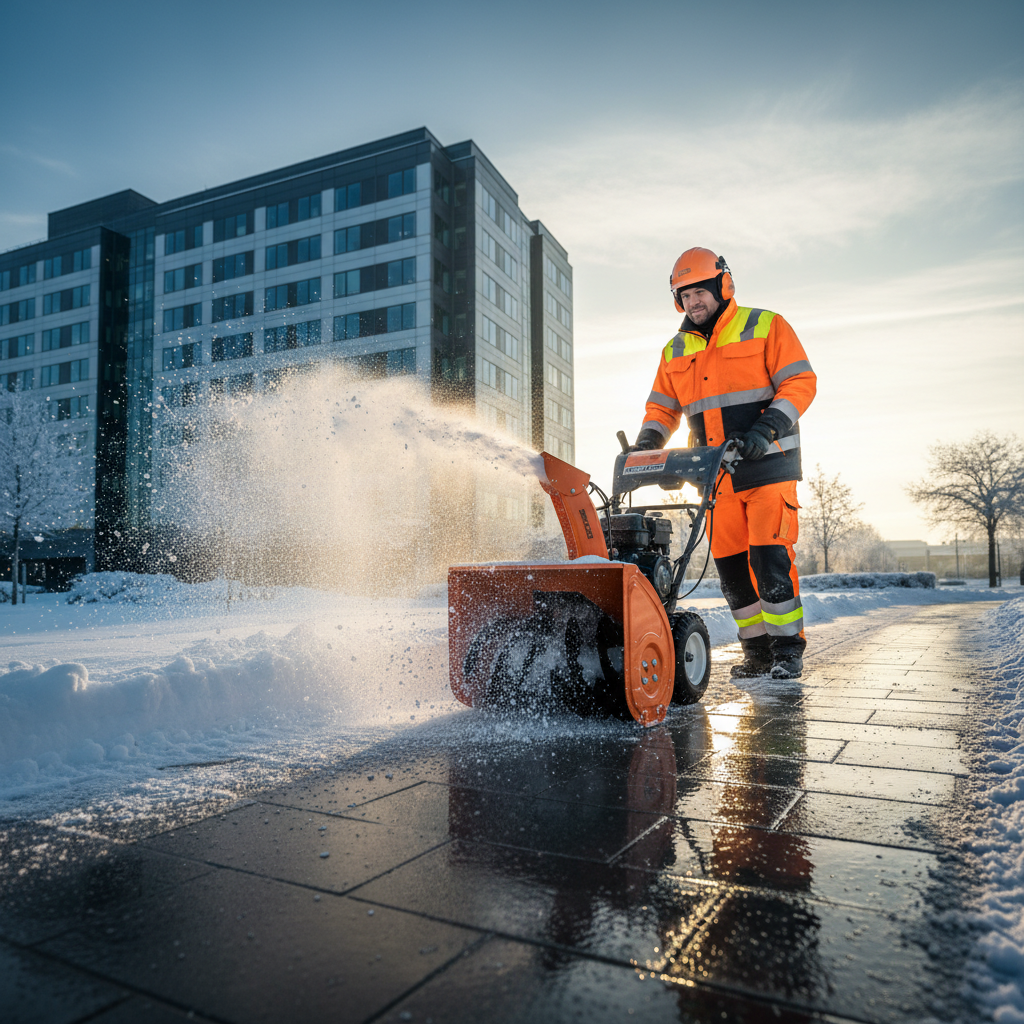
The Imperative of Winter Grounds Management
Winter presents a unique set of challenges for grounds maintenance professionals. Freezing temperatures, snowfalls, and icy surfaces not only disrupt operations but also pose significant safety risks to staff and visitors. A proactive and well-executed winter maintenance plan is essential for minimizing these hazards, ensuring accessibility, and maintaining the aesthetic appeal of your grounds.
Key Challenges and How to Address Them
- Snow Accumulation: Heavy snowfall can quickly render paths and roadways impassable. Efficient snow clearance is paramount.
- Ice Formation: Black ice is a particularly dangerous hazard, often invisible until it's too late. Effective gritting and spreading are crucial.
- Cold Weather Impact: Equipment needs to be robust and reliable in freezing conditions. Proper machinery selection and maintenance are vital.
Essential Equipment for Winter Readiness
Investing in the right machinery can significantly streamline your winter operations. Kersten UK offers a range of high-performance equipment designed to tackle the toughest winter conditions.
- Snow Ploughs: For rapid snow clearance on large areas, pedestrian and tractor-mounted snow ploughs are indispensable. Options like the Faulkner Brothers Snow Ploughs for 4x4s and Utility Vehicles and the SCHN45 series Snow Plough offer robust solutions for various vehicle types.
- Salt Spreaders: To combat ice, reliable salt and grit spreaders are a must. The Lehner Polaro E Tailgate Mounted Spreaders and Lehner Polaro Tailgate Mounted Spreaders provide precise and efficient application of de-icing materials.
- Sweepers: Beyond snow and ice, pedestrian and tractor-mounted sweepers are versatile tools for clearing slush, debris, and residual grit. The Mounted Sweepers range, including the Kersten KM 52 Series Mounted Sweepers for Tractors and HKM 40 - Rear Mounted Sweepers for Compact Tractors, can be equipped with various brush types for year-round utility, as highlighted in our blog post Kersten DE-MOSS 90 Sweeper on Tarmac Drive.
Proactive Strategies for a Smooth Winter
Preparation is key to a successful winter season. Consider these strategies:
- Pre-season Equipment Checks: Ensure all machinery is serviced and in good working order before the first freeze. Stock up on spare parts and necessary consumables like salt or grit.
- Weather Monitoring: Stay informed about upcoming weather patterns to anticipate needs and deploy resources effectively.
- Clear Protocols: Establish clear guidelines for snow clearance and gritting, including priority areas and response times.
- Staff Training: Ensure your team is well-trained in operating winter equipment safely and efficiently.
Recommended Equipment from Kersten UK
For reliable and efficient winter grounds maintenance, we recommend the following equipment:
- Lehner Polaro E Tailgate Mounted Spreaders
- Lehner Polaro Tailgate Mounted Spreaders
- Faulkner Brothers Snow Ploughs for 4x4s and Utility Vehicles
- SCHN45 series Snow Plough
- Pedestrian and Tractor Mounted Snow plough
- Pedestrian and Tractor Mounted Sweeper Series
- Kersten KM 52 Series Mounted Sweepers for Tractors
- HKM 40 - Rear Mounted Sweepers for Compact Tractors
- Winter maintenance equipment page
Conclusion
Effective winter grounds management extends far beyond the simple act of clearing accumulated snow and ice. It encompasses a comprehensive and multifaceted approach dedicated to the robust safeguarding of your entire site, the uninterrupted continuity of essential operations, and the unwavering upholding of a consistently professional standard. By thoughtfully implementing proactive and well-planned strategies, coupled with the judicious utilization of high-quality, reliable equipment, dedicated grounds maintenance professionals are empowered to confidently and capably navigate the inherent challenges presented by the winter season. This meticulous preparation and execution allows them to transform potential hazards, which could otherwise pose significant risks, into effectively managed and resolved tasks.

Chris Faulkner
Chris is Managing Director of Kersten UK Ltd Interested in weed control solutions and machinery
No comments yet. Login to start a new discussion Start a new discussion